

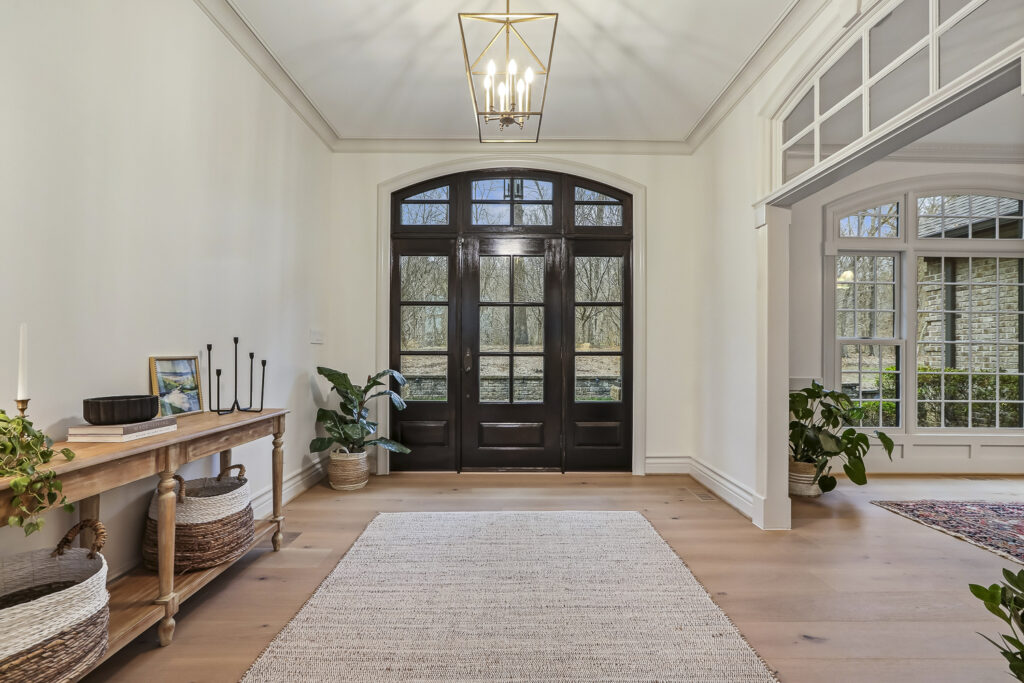
Raleigh homeowners planning a whole-home remodel often collect three estimates and find themselves staring at numbers that don’t line up at all.
One contractor quotes $180,000. Another says $340,000. A third comes in at $625,000. Same house. Same rooms. Radically different numbers.
The instinct is to assume someone is padding, or someone is missing something. Usually, neither is true. The estimates are for different projects, even when the room list looks identical. Line items are scoped differently. Levels of finish are assumed differently. Systems work is included or excluded differently. Contingencies are baked in or left out.
This post walks through what a Raleigh whole-home remodel actually includes, line by line, using honest data from the 2026 Cost vs. Value Report, local Raleigh market pricing, and the Joint Center for Housing Studies at Harvard. You’ll see where the money goes, which three decisions swing the budget the most, and how to compare estimates that look like they’re describing different projects.
Because at the investment level a whole-home remodel represents, understanding what’s actually in the number matters more than the number itself.
What Does a Whole-Home Remodel Actually Include?
A whole-home remodel is a coordinated renovation of most or all interior spaces in a home, typically executed as a single project by a single design-build firm. The scope generally includes kitchen, bathrooms, flooring, interior paint, trim and doors, lighting, and systems work as needed. It may or may not include structural changes, additions, or exterior work depending on scope.
The category covers three very different project types, and the price difference between them is significant:
- Cosmetic refresh: New finishes, paint, flooring, fixtures, and light updates. No layout changes, no structural work, no major systems updates. Typically runs $40–$75 per square foot nationally.
- Mid-range renovation: Full renovations of kitchen and bathrooms, quality materials, some layout changes, targeted systems upgrades. Typically $75–$175 per square foot.
- Luxury custom remodel: Custom cabinetry, premium finishes, structural changes, comprehensive systems work, complex design. Typically $175–$400+ per square foot.
Two of those projects can share the same room list and cost more than triple the other. That’s why the estimate variance is so wide.
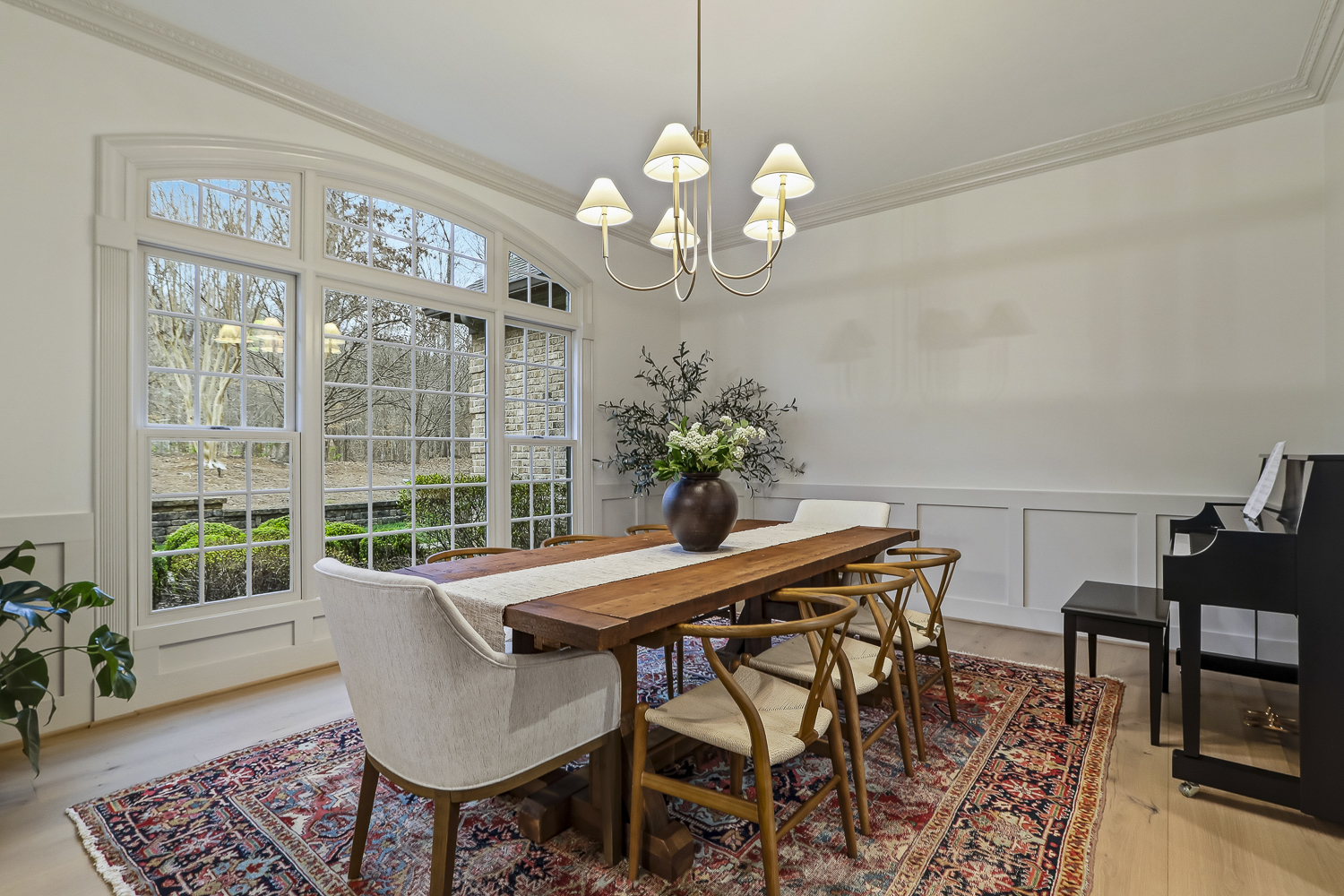
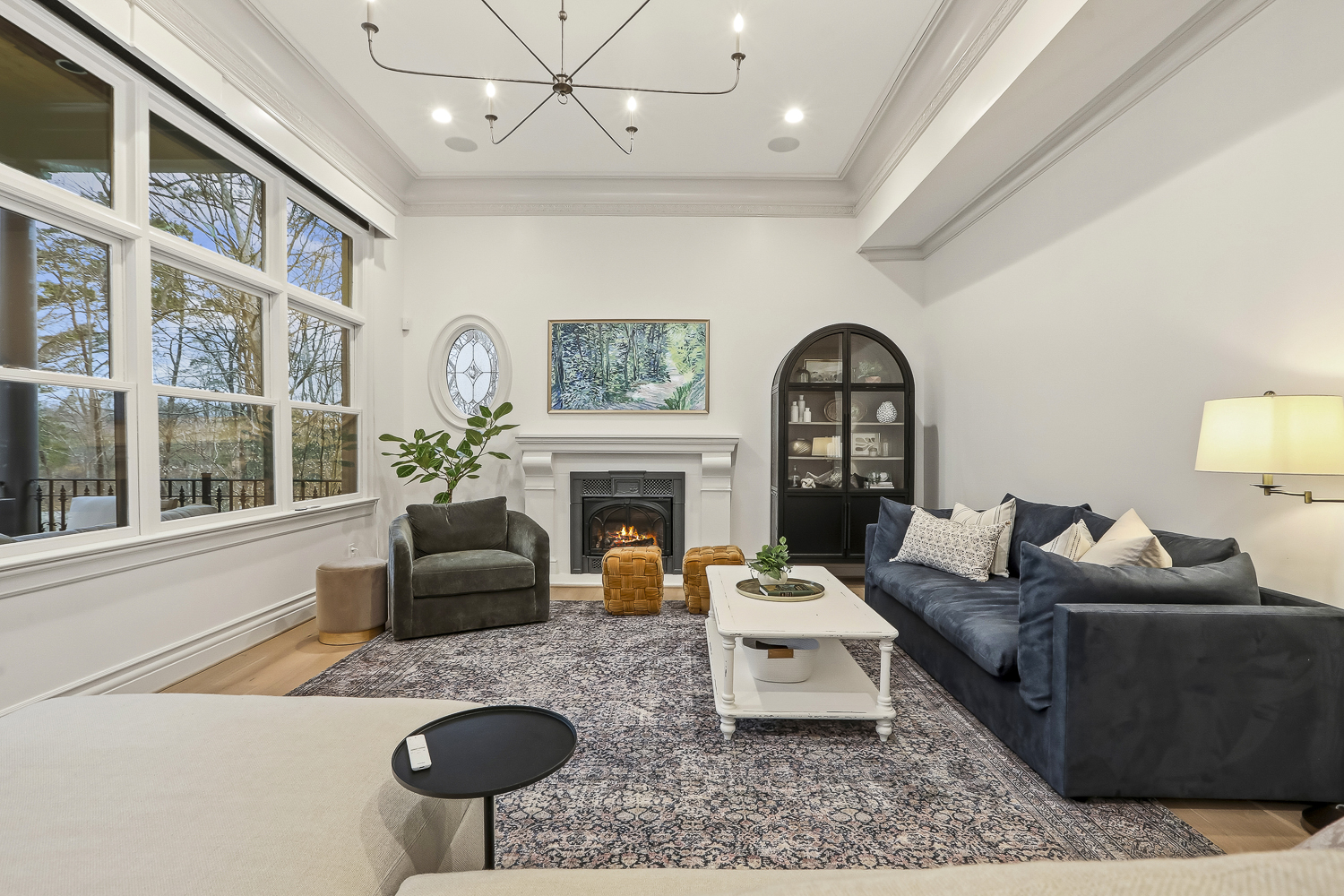
What Does a Whole-Home Remodel Cost in Raleigh in 2026?
Based on aggregated local market data and multiple Raleigh design-build sources, honest 2026 ranges for a full whole-home remodel look like this:
- Cosmetic refresh, 2,000 sq ft home: approximately $80,000–$150,000
- Mid-range renovation, 2,000 sq ft home: approximately $200,000–$400,000
- Luxury custom remodel, 2,000 sq ft home: approximately $400,000–$750,000+
Larger homes scale roughly with square footage but often include disproportionate investment in kitchen and primary bath, which drive a larger share of the budget on higher-end projects.
These are market-wide ranges. Your specific investment depends on scope, neighborhood, home age, and the three decisions covered further down.
The Line-by-Line Breakdown: Where the Money Actually Goes
Every whole-home remodel contract organizes cost into similar line items. Ranges below reflect typical mid-range to luxury Raleigh projects. Your specific project may exclude some of these or include additional line items depending on scope.
Design & Planning
Design fees, 3D renderings, material selection, and construction documents. A true design-build firm handles this in-house, which produces better-integrated results and clearer pricing later. Typically 5–15% of total project cost, or a flat design fee ranging from $5,000 to $25,000 depending on scope and complexity.
Permits & Engineering
City of Raleigh and Wake County permitting, plus structural engineering when walls move or loads change. Typically $2,000 to $15,000 for a full whole-home project. Older Raleigh homes and structural changes push this higher.
Site Preparation & Protection
Dumpster, portable toilet, dust containment systems, floor and surface protection, temporary utilities. Typically $2,000 to $8,000 for a whole-home project. This is often underestimated by budget contractors and reveals itself later as either surprise charges or shortcuts taken.
Demolition
Removal of existing finishes, cabinets, fixtures, flooring, and drywall as needed. Whole-home demolition typically runs $5,000 to $20,000 depending on scope. Selective demolition (keeping walls, plumbing, electrical) is cheaper than full gut work.
Structural Work
Wall removal, new beams, load-bearing modifications, floor structure changes. This is one of the three biggest budget swing factors. A single load-bearing wall removal can run $5,000 to $20,000 once beam sizing, temporary bracing, drywall repair, and finish work are reconciled. Multiple structural changes push this into $30,000 to $75,000+ territory.
Framing & Rough Carpentry
New walls, headers, blocking, and framing for changed layouts. Typically $5,000 to $25,000 for a whole-home project with meaningful layout changes. Minimal if the existing footprint stays.
Plumbing (Rough and Finish)
Rough plumbing (moving supply lines, drains, gas), fixtures (faucets, toilets, tubs, showers), and any specialty work like pot fillers or steam showers. Typically $10,000 to $35,000 for a whole-home project. Kitchen and bath relocations add significantly.
Electrical
Rewiring, panel upgrades, new circuits for modern kitchen loads, recessed lighting, under-cabinet lighting, EV charging, home office circuits. Typically $8,000 to $30,000 for a whole-home project. Homes built before 2000 frequently need panel upgrades and modernization to meet current code, per widely-published NEC and local Wake County requirements.
HVAC
Ductwork modifications, new registers, mini-splits, humidity control, kitchen hood venting. Typically $3,000 to $15,000 for a whole-home project. Full system replacement pushes this significantly higher if age and condition warrant it.
Insulation & Drywall
New insulation where walls are opened, drywall installation and finishing, texture matching. Typically $8,000 to $25,000 for a whole-home project depending on the extent of wall changes.
Kitchen
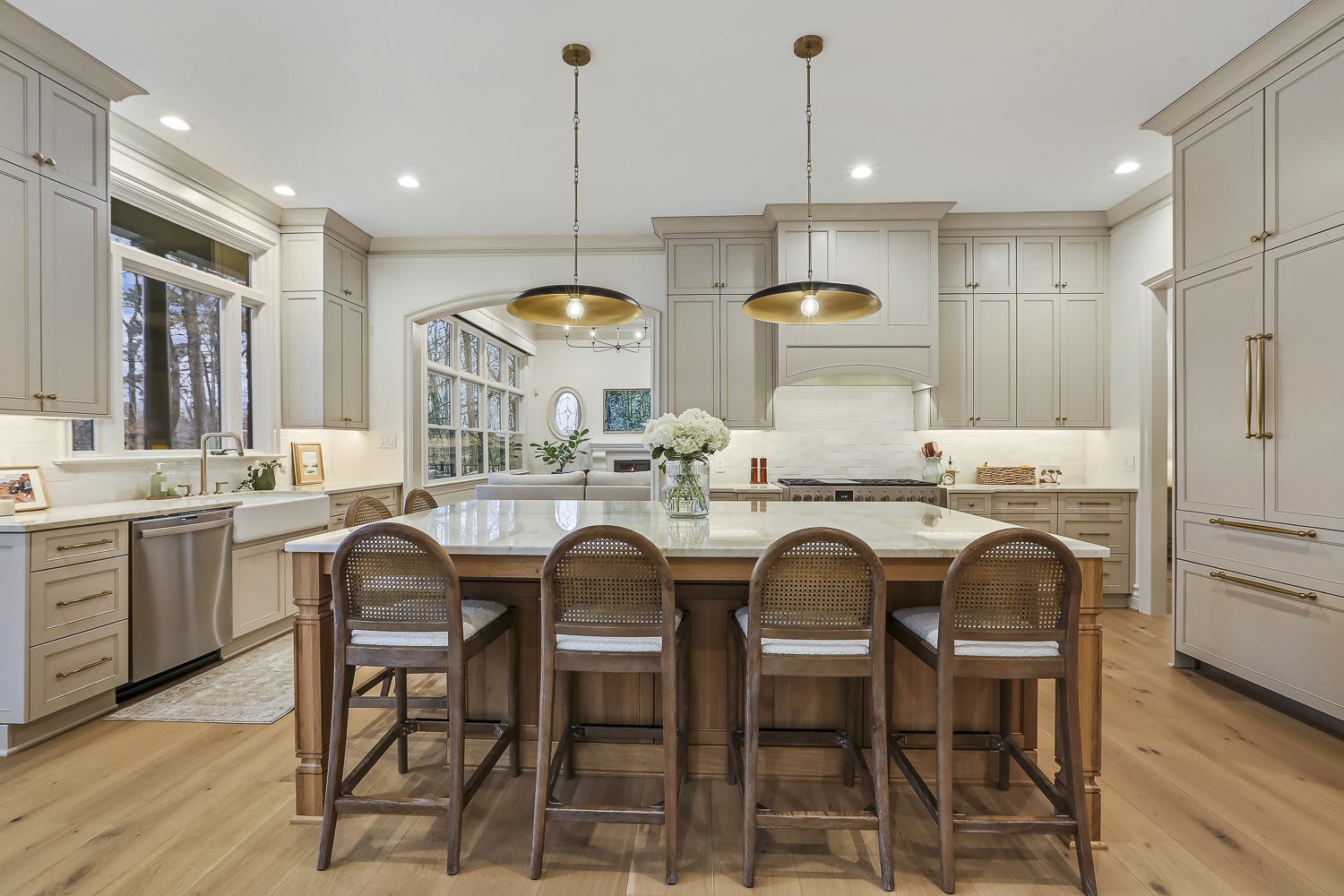
The single largest single-room line item on most whole-home projects. Cabinetry alone typically represents 30–40% of the kitchen budget, per widely-published industry data from the National Kitchen and Bath Association. Countertops another 10–15%, appliances 10–20%, labor 20–35%. Full kitchen line typically runs $50,000 to $200,000+ depending on tier. See our Kitchen Remodeling page for tier-specific detail.
Bathrooms
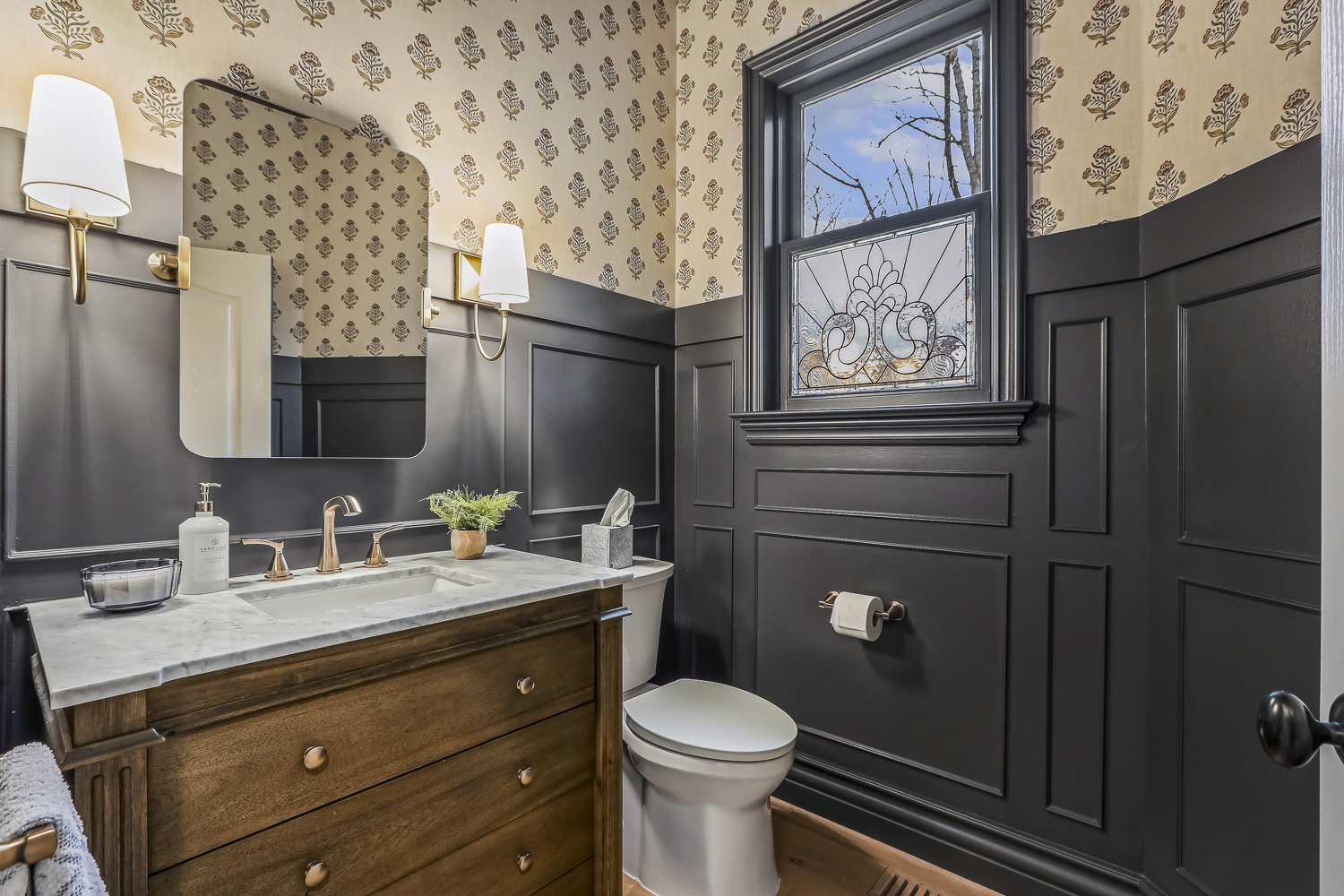
The primary bathroom typically runs $25,000 to $100,000 depending on tier, with secondary bathrooms $15,000 to $40,000 each. See our Bathroom Remodeling page for scope details.
Flooring
New hardwood, tile, or luxury vinyl plank throughout, or refinishing existing hardwoods. Whole-home flooring typically runs $10,000 to $40,000 depending on material and square footage. Standard installation sequence puts flooring before trim and base for a cleaner finish.
Interior Trim, Doors & Hardware
Baseboards, casings, crown molding, interior doors, hardware. Often underestimated. A whole-home trim upgrade typically runs $8,000 to $25,000, but it’s one of the biggest visual differences between a renovation that reads cohesive versus one that reads patched together.
Interior Paint
Full interior painting including walls, trim, ceilings, and doors. Typically $6,000 to $15,000 for a whole-home project, depending on home size, ceiling height, and complexity. High-return, high-visibility line item.
Fixtures & Lighting
Recessed lighting, pendants, chandeliers, sconces, decorative fixtures throughout the home. Typically $5,000 to $25,000 for a whole-home project. Statement lighting in kitchens, dining areas, and primary baths often accounts for a large share.
Project Management & Overhead
Construction supervision, subcontractor coordination, insurance, warranty reserves, and firm overhead. Typically 15–25% of total project cost. This line is where cheap contractors cut corners and quality firms invest, and the difference shows up in schedule, communication, and finished quality.
Contingency
Whole-home remodels routinely run 20–40% over initial estimates due to hidden conditions discovered after demolition, per widely-reported industry data. A reputable firm builds an explicit 10–20% contingency line into the contract. Its absence is a red flag.
The Three Decisions That Swing the Whole-Home Budget the Most
Every line item above matters, but three decisions consistently move the total more than anything else. Understanding these three before you start allows for an intentional budget conversation instead of a reactive one.
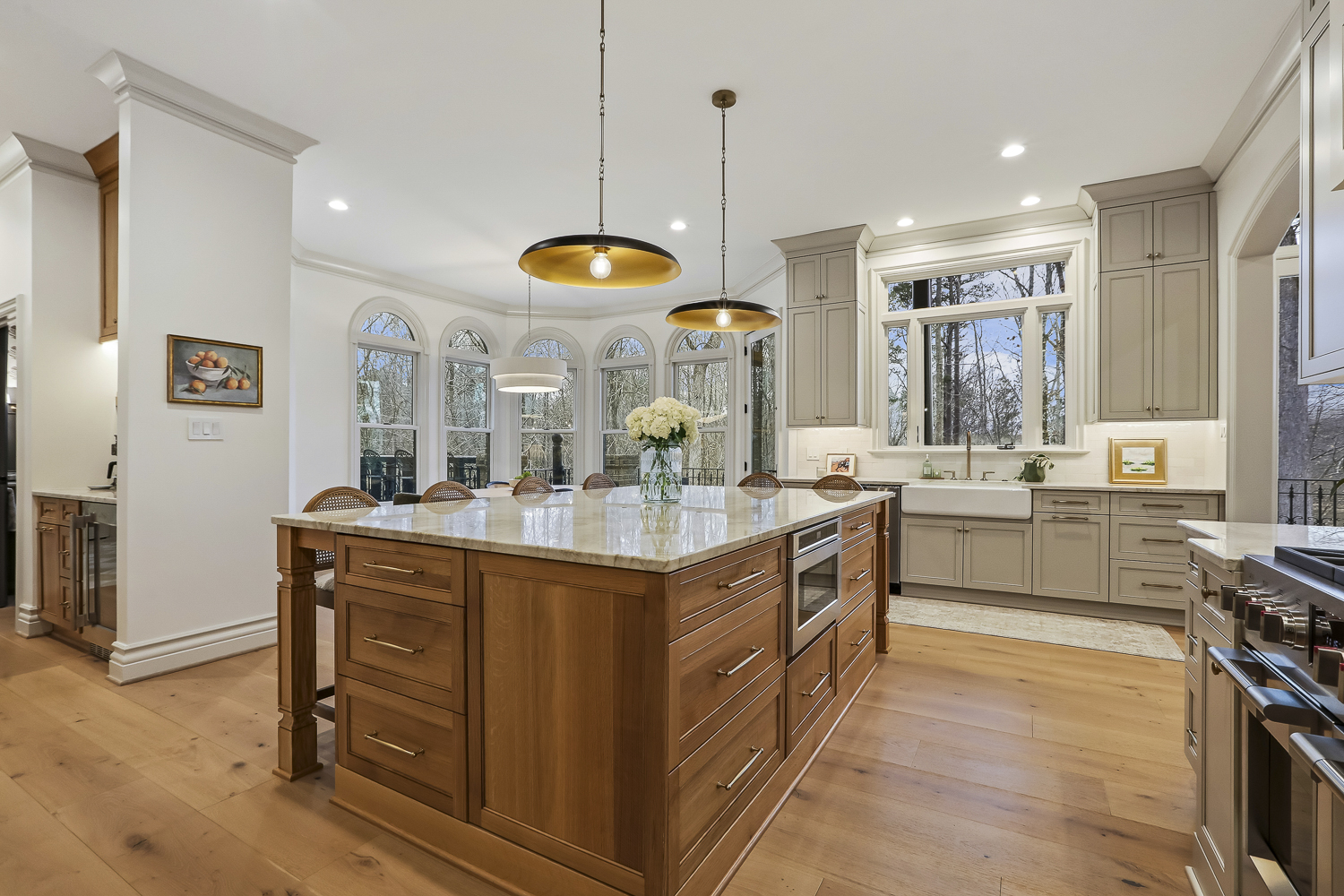
1. Do You Change the Layout, or Keep It?
Opening walls, moving kitchens, relocating primary bathrooms, adding or removing rooms. These decisions cascade through structural, plumbing, electrical, HVAC, framing, and drywall. A whole-home remodel with no layout changes can be executed at a meaningfully lower cost than the same project with significant reconfiguration. Layout changes typically add $50,000 to $150,000+ to a whole-home budget once every related line item is reconciled.
2. What Level of Finish Do You Actually Want?
Builder-grade, mid-range, semi-custom, or full custom. This decision drives cabinetry, countertops, flooring, tile, lighting, plumbing fixtures, hardware, and trim. The same 2,000-square-foot whole-home footprint can cost $150,000 or $500,000 depending on finish tier alone. This is the single most common source of estimate variance between contractors, and the one homeowners most often underestimate when comparing quotes.
3. How Old Is the Home, and What Systems Need Modernizing?
Older Raleigh homes, particularly those built before 2000, often need electrical panel upgrades, rewiring for modern loads, plumbing supply line updates, and HVAC modernization to support renovation quality and meet current code. Homes in established neighborhoods like Five Points, Inside the Beltline, and mature Cary communities frequently reveal these needs during demolition. Systems work on an older home can add $30,000 to $100,000+ to a whole-home budget, and skipping it is a false economy that shows up in inspection reports and buyer objections at resale.
What’s Usually NOT Included in a Whole-Home Remodel Contract
A common source of budget surprise is items homeowners assume are included but typically aren’t. When comparing estimates, verify which of these are inside or outside the contract:
- Appliances (usually a separate homeowner budget line, $5,000 to $50,000+ depending on tier)
- Furniture and window treatments (often overlooked but essential to complete the finished space)
- Landscape and hardscape (exterior work is usually a separate project scope)
- Outdoor kitchens, decks, and patios (separate specialists, separate scope)
- Smart home technology (often a separate integrator, sometimes coordinated through the remodel)
- Interior design services beyond material selection (styling, furniture layout, art placement)
- Alternative living costs (some homeowners relocate during whole-home projects)
Why Whole-Home Estimates Vary So Much, and How to Compare Them
Once you understand the line items above, comparing whole-home estimates gets much easier. Ask every firm to break out the same categories with the same level of detail. Then look for these signals:
- Explicit contingency line. A firm that names a 10–20% contingency in writing is being honest about how remodels actually go. A firm that doesn’t is either optimistic or vague.
- Named allowances for finishes. Cabinets, countertops, tile, and lighting should be quoted with specific allowances (dollar amounts you’re budgeting), not left as “selections TBD.”
- Systems work sized to the home’s age. Any estimate for an older Raleigh home that doesn’t include electrical panel evaluation, plumbing supply assessment, and HVAC review is incomplete.
- Realistic project timeline. Whole-home remodels take 4–10 months of construction, not 6 weeks.
- Named project manager and communication plan. Verify who runs the project day-to-day, not just who signs the contract.
For a deeper look at how to evaluate design-build firms and their processes, see our earlier posts on How to Choose the Right Design-Build Firm for Your Raleigh Remodel and Home Remodeling ROI in Raleigh.
Why Local Design-Build Experience Changes the Line Items
The line items above are the same across every whole-home remodel. What varies is who executes them, how well, and how honestly they’re priced.
For more than two decades, Distinctive Remodeling has designed and built luxury whole-home remodels across Raleigh, Cary, Wake Forest, Apex, and the greater Triangle. Our in-house design-build team handles every line item under one roof, from initial concept through final walkthrough. Every project includes a dedicated project manager, weekly communication meetings, real-time schedule transparency, and explicit contingency planning built into the contract from day one. See our full Whole-Home Remodeling service and completed projects in our Photo Gallery.
Understand the Line Items Before You Sign
Whole-home remodels are large investments. The best-prepared homeowners aren’t the ones who chase the lowest number. They’re the ones who understand what should be in the number so they can compare estimates on scope, not just price.
Every line item in this post can be executed cheaply or well. Every decision above changes the total. And every honest firm should be able to walk you through their approach on each one, in writing, before construction begins.
If you’re planning a Raleigh whole-home remodel and want a clear picture of your specific investment, explore typical investment ranges in our Pricing Guide or Contact Us to schedule a consultation. We’ll walk you through the line items, the three decisions, and a realistic budget conversation before you commit to anything.
FAQ: Raleigh Whole-Home Remodel Costs and Scope
How much does a whole-home remodel cost in Raleigh?
Whole-home remodels in Raleigh typically range from $80,000 for a cosmetic refresh on a smaller home to $750,000 or more for a luxury custom renovation. Mid-range whole-home remodels on a 2,000 square foot home typically fall between $200,000 and $400,000 in 2026. Your specific investment depends on scope, home size, home age, level of finish, and whether the layout changes.
What is included in a whole-home remodel?
A whole-home remodel typically includes design and planning, permits, demolition, structural work as needed, framing, plumbing, electrical, HVAC updates, insulation, drywall, kitchen renovation, bathroom renovations, flooring throughout, interior trim and doors, painting, fixtures and lighting, and project management. Appliances, furniture, landscaping, and outdoor spaces are usually separate line items or separate projects.
What is the biggest cost in a whole-home remodel?
The kitchen is typically the largest single-room line item, followed by the primary bathroom. Cabinetry alone often represents 30 to 40 percent of a kitchen’s cost, per National Kitchen and Bath Association industry data. Beyond specific rooms, the three decisions that swing the total the most are layout changes, level of finish, and systems work required on older homes.
Why do whole-home remodel estimates vary so much?
Estimates vary because different contractors scope the project differently. Two firms can quote the same room list at very different prices because one includes systems work and the other doesn’t, one assumes custom finishes and the other assumes builder-grade, or one builds in contingency and the other quotes bare minimum. Compare estimates line by line, not on total price alone.
How long does a whole-home remodel take in Raleigh?
Whole-home remodel construction typically takes 4 to 10 months, plus 2 to 4 months of design and planning beforehand. Larger homes, luxury custom projects, and remodels with significant structural changes take longer. Simpler cosmetic refreshes on smaller homes can be completed faster. Any contractor promising a whole-home remodel in 6 weeks is not describing a real whole-home project.
Do I need permits for a whole-home remodel in Raleigh?
Yes. Whole-home remodels almost always require permits from the City of Raleigh or Wake County, particularly for electrical, plumbing, structural, and HVAC work. A reputable design-build firm handles permitting as part of the project scope and includes those fees explicitly in the estimate.
How much should I set aside for contingency on a whole-home remodel?
Industry data and Harvard Joint Center for Housing Studies research show whole-home remodels routinely run 20 to 40 percent over initial estimates due to hidden conditions found after demolition begins. A well-run project builds an explicit 10 to 20 percent contingency into the contract. If a firm’s estimate doesn’t include a named contingency, treat the total as the floor, not the ceiling.
What’s the first step to planning a whole-home remodel with Distinctive Remodeling?
Start with a conversation. Review the Pricing Guide to understand typical investment ranges, explore the Home Remodeling Process to see how the project actually unfolds, and Contact Us to schedule an initial consultation. From there, our design team will walk you through the line items, the three budget-swinging decisions, and a realistic scope conversation specific to your home and neighborhood.