

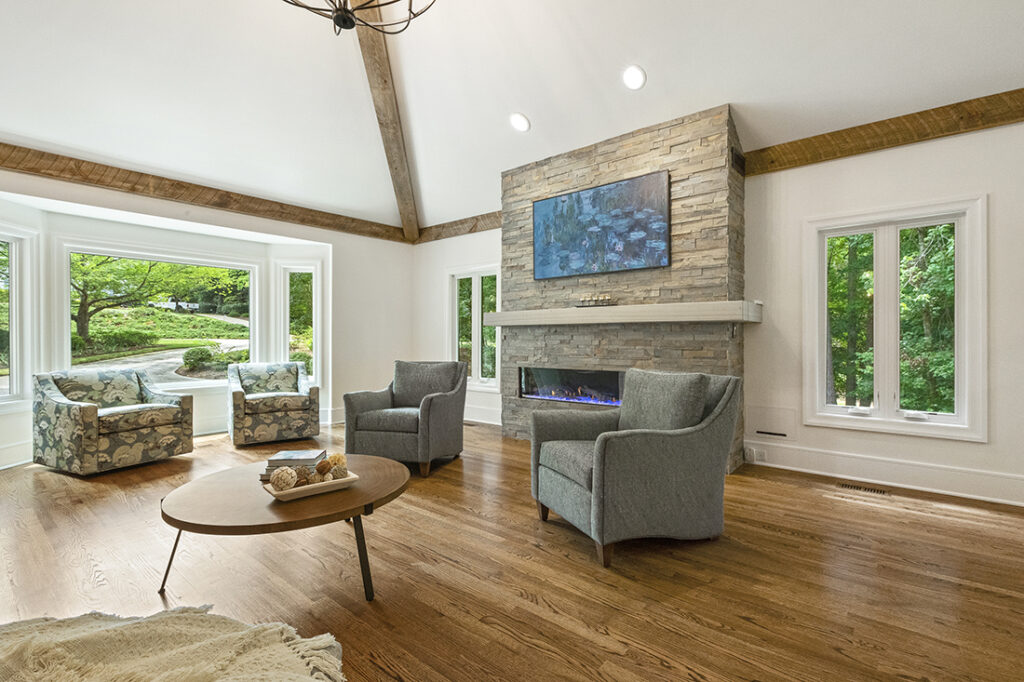
Planning a whole-home remodel is exciting—but it can also feel overwhelming.
Most homeowners start with a vision: a more functional kitchen, updated bathrooms, better flow, and a home that finally fits their lifestyle. But once the planning begins, questions quickly follow. Where do you start? How long will it take? How do you make decisions without second-guessing everything?
And for many homeowners, that’s the moment excitement turns into stress.
For many Raleigh homeowners, the challenge isn’t just the remodel itself—it’s navigating the process with clarity and confidence.
The good news is that with the right plan—and the right team—you can move through a whole-home remodel in a way that feels organized, manageable, and even enjoyable. Working with experienced home remodeling construction companies or a trusted remodeling contractor can make a significant difference in how smoothly the process unfolds.
What Is a Whole-Home Remodel?
A whole-home remodel involves updating multiple areas of the home as part of a cohesive plan rather than tackling projects one at a time. This often includes kitchen remodel projects, bathroom remodel updates, living spaces, and sometimes structural changes that improve layout and flow.
In simple terms, a whole-home remodel is a coordinated renovation plan that updates multiple areas of the home at once rather than in separate phases.
Unlike smaller renovations, a whole-home approach allows every decision—from materials to layout—to work together. The result is a home that feels intentional, consistent, and better suited to how you live.
If you’re exploring this type of project, you can learn more about our Whole Home Remodeling services and how these projects are designed and managed from start to finish. As a whole home remodeling contractor, Distinctive Remodeling manages each phase of the project to ensure a cohesive and well-executed result.
Step 1: Start With How You Live (Not Just What You Want)
One of the most common mistakes homeowners make is starting with inspiration photos instead of daily routines.
Before thinking about finishes or fixtures, it’s important to understand how your home needs to function. Where does clutter build up? Which spaces feel crowded or underused? How do you move through your home throughout the day?
Answering these questions helps shape decisions about layout, storage, and overall design direction.
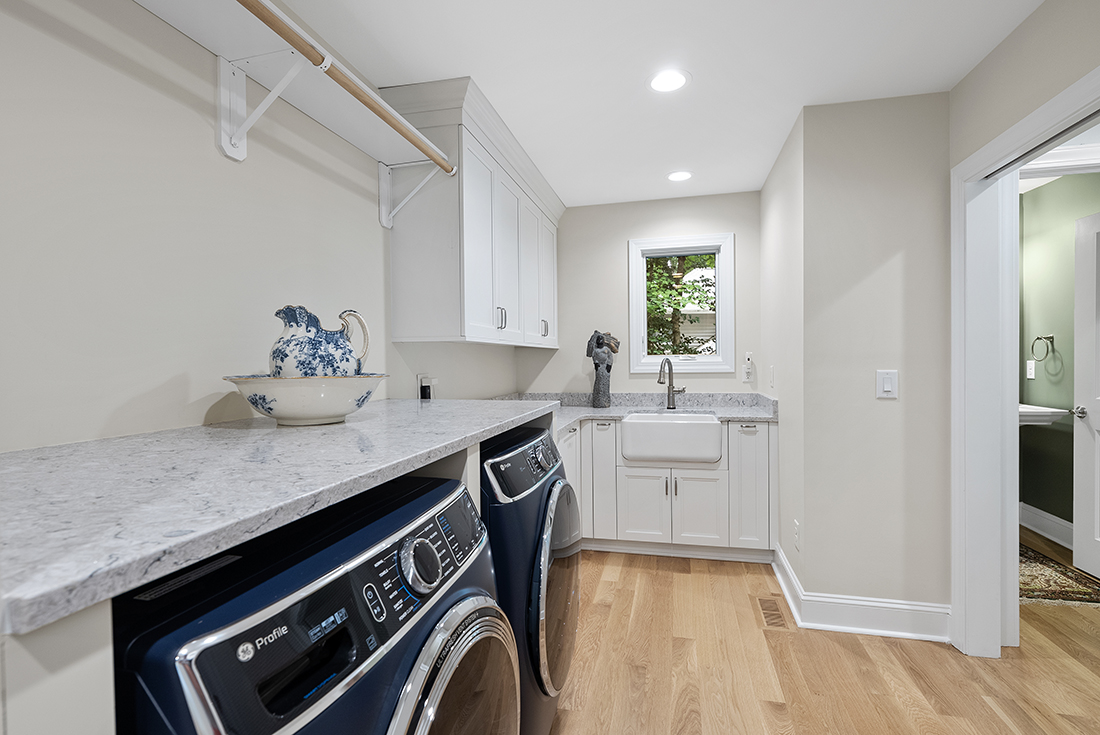
This same idea is reflected in our recent post Smart Storage Solutions: How to Add Style and Function to Mudrooms, Closets & Pantries, where thoughtful design improves how a home works—not just how it looks.
Step 2: Understand the Scope Early
Whole-home remodeling projects vary widely depending on the size of the home, the level of updates, and whether structural changes are involved.
Some projects focus on updating finishes across multiple rooms. Others involve reconfiguring layouts, expanding spaces, or incorporating features like Home Additions to improve functionality. In more comprehensive projects, homeowners may take a full-home approach that rethinks how the entire space is used.
Without a clear scope, projects can expand mid-process, leading to unexpected costs and delays.
Understanding scope early helps avoid surprises later. It also ensures that design decisions align with your long-term goals rather than short-term fixes.
Step 3: Plan Your Budget With Flexibility
Budgeting for a whole-home remodel isn’t just about setting a number—it’s about understanding where to invest.
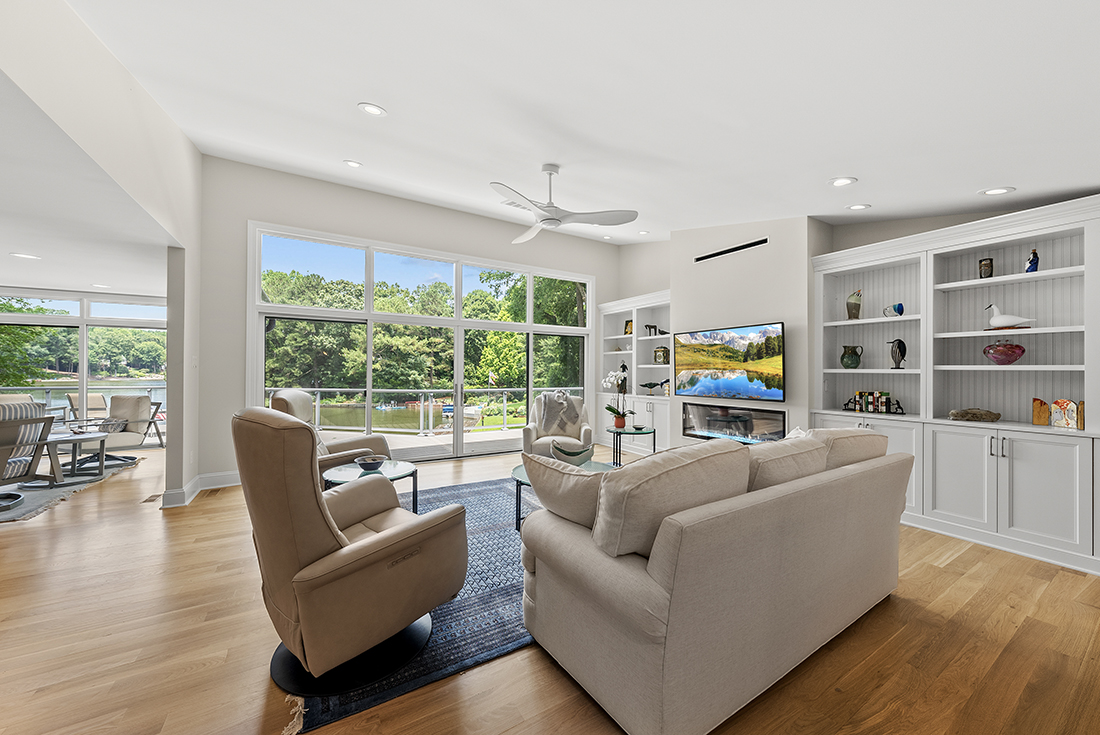
Different elements of a remodel carry different levels of impact. Kitchens and bathrooms tend to be higher-investment areas, while layout improvements and built-in storage can dramatically improve daily living. For homeowners investing in luxury home remodeling services, these spaces often include custom finishes, upgraded materials, and highly personalized design elements.
Working with an experienced team helps homeowners prioritize decisions and balance design goals with budget realities.
If you’re starting to explore costs, our Pricing Guide provides helpful insight into typical investment ranges and what to expect throughout the process.
Step 4: Expect a Structured Design Process
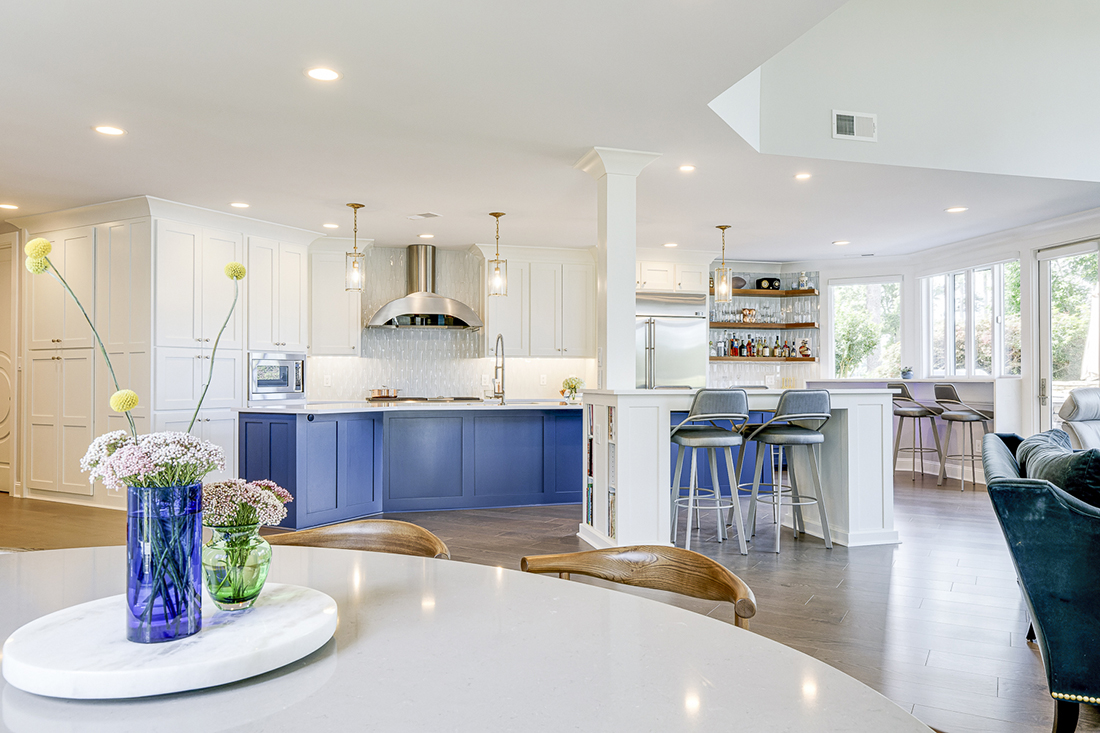
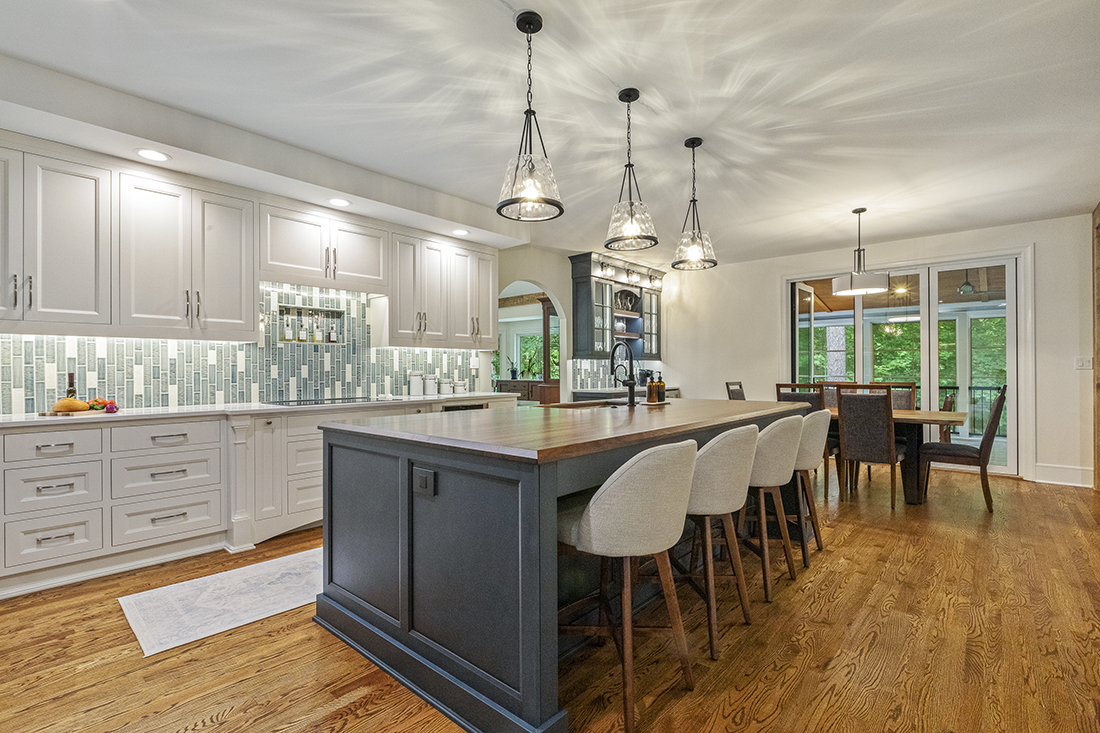
One of the biggest stress reducers in a whole-home remodel is having a clear design-build process.
Rather than making decisions all at once, a well-managed project breaks the process into phases—layout planning, material selections, and final details. This allows homeowners to focus on one set of decisions at a time.
At Distinctive Remodeling, this structured approach helps ensure that each element of the home works together cohesively, from kitchen layouts to bathroom finishes and beyond.
This process reduces decision fatigue and helps homeowners feel confident throughout the remodel—especially for custom home remodeling services, where every detail is designed to reflect the homeowner’s lifestyle and preferences.
You can see how these elements come together in real projects throughout our Portfolio, where thoughtful planning leads to cohesive, well-executed results.
Step 5: Think About Flow, Not Just Rooms
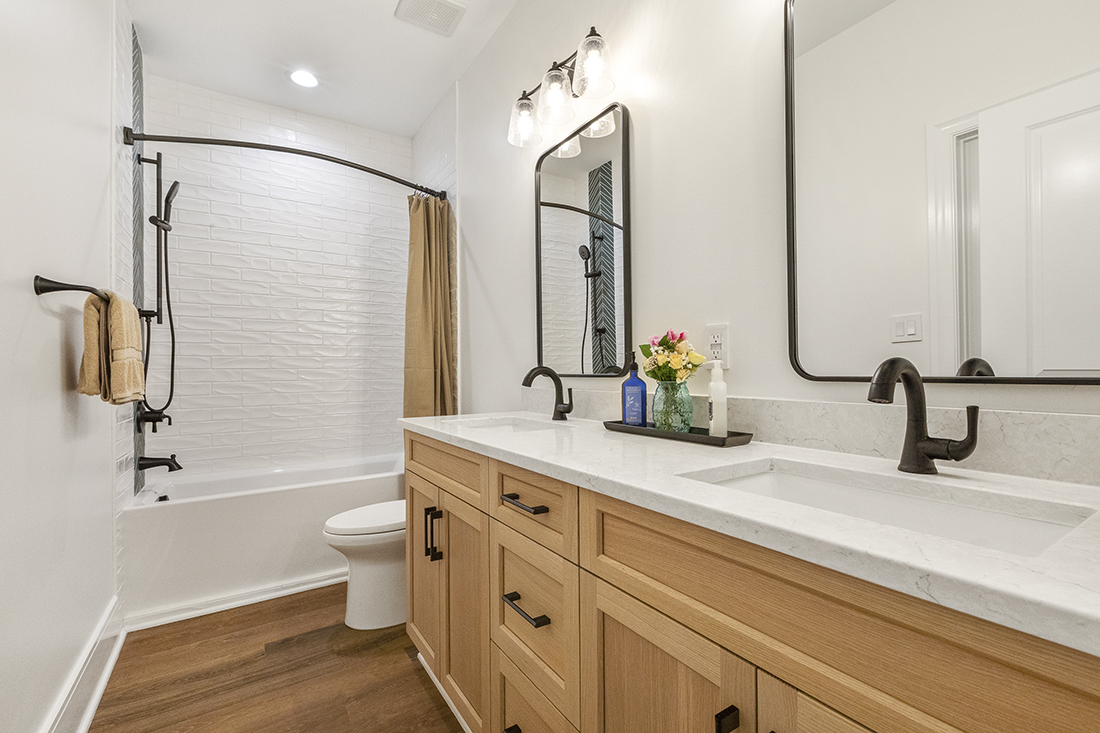
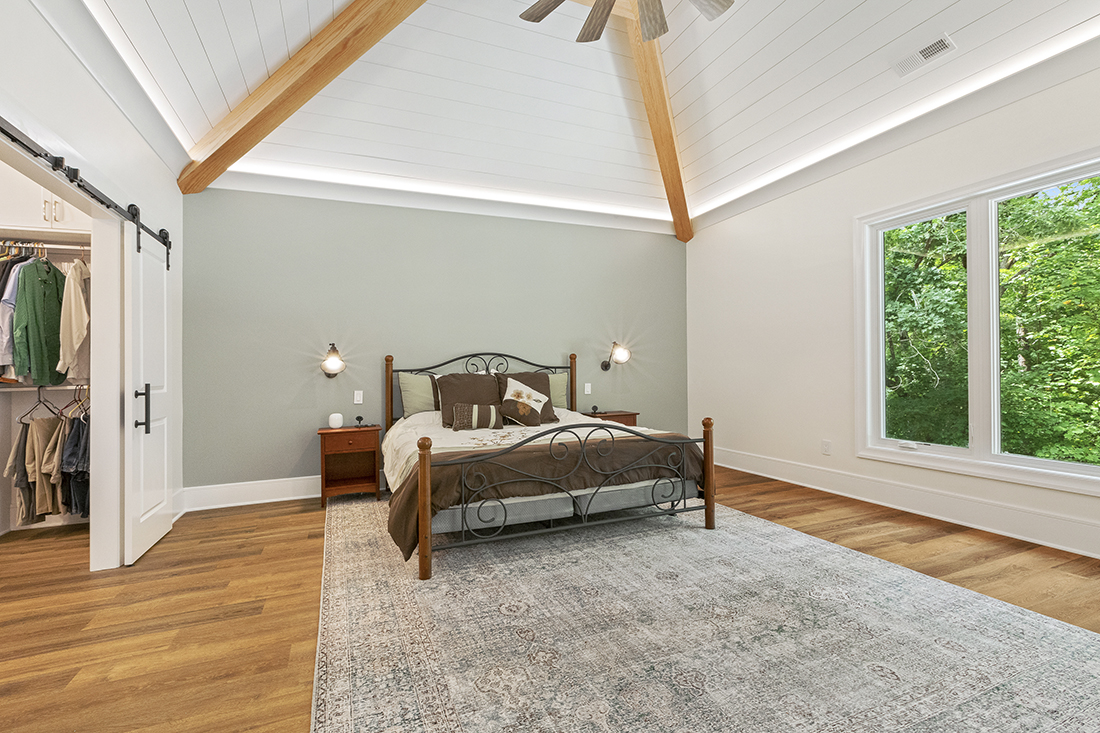
One of the biggest advantages of a whole-home remodel is the ability to improve how spaces connect.
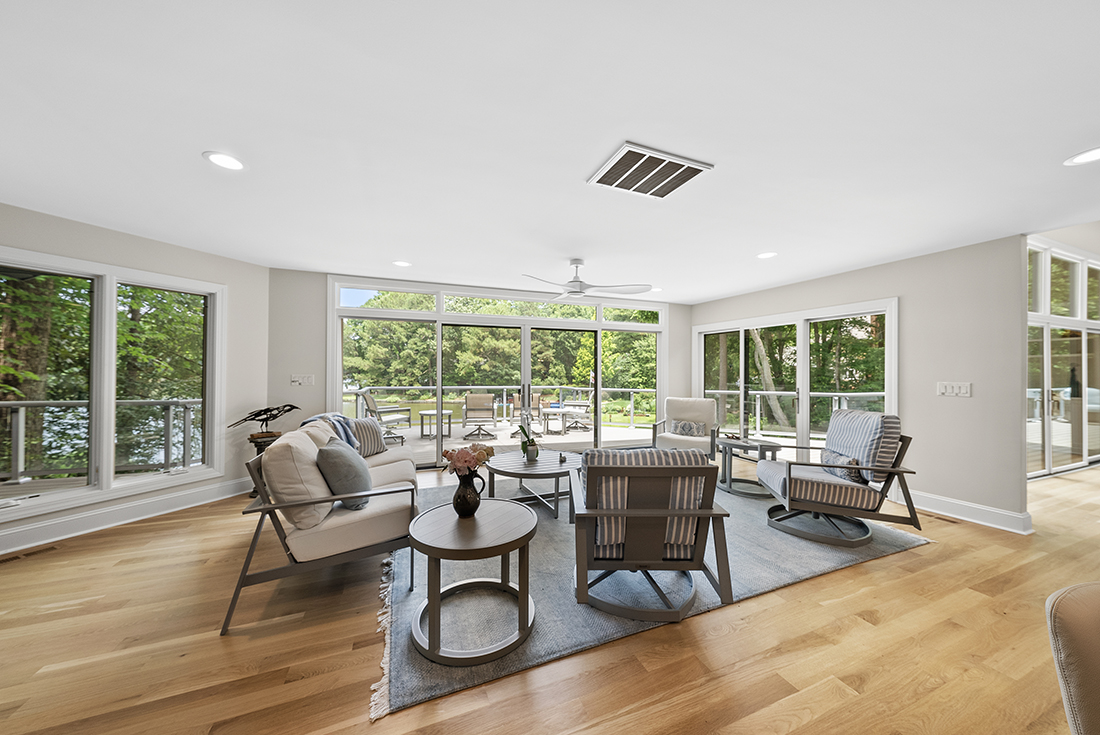
Instead of treating each room as a separate project, this approach looks at the home as a whole—how the kitchen connects to living areas, how storage supports daily routines, and how layout changes can create a more natural flow.
Many homeowners find that this is where the biggest transformation happens. Small changes in layout can completely change how a home feels and functions.
Step 6: Plan for the Timeline (and Be Realistic)
Whole-home remodeling takes time, especially when multiple spaces are involved.
Planning ahead helps set realistic expectations and reduces stress during construction. This includes understanding when decisions need to be made, how long materials may take to arrive, and how different phases of the project will unfold.
Starting the planning process early—especially in spring—can help homeowners secure scheduling and avoid peak-season delays later in the year.
Step 7: Work With a Team That Guides the Process
Perhaps the most important factor in a successful whole-home remodel is having a design-build team that can guide you through the process.
From initial planning through final construction, an experienced team helps homeowners:
- make informed decisions
- avoid costly mistakes
- keep the project moving forward
- ensure all elements work together
Rather than managing multiple contractors and decisions independently, homeowners benefit from having a clear plan and a team that brings it to life from start to finish.
Whether working with residential remodelers or experienced luxury home remodeling contractors, having the right team in place helps ensure the project stays on track and aligned with your goals.
A Better Remodeling Experience Starts With a Plan
A whole-home remodel doesn’t have to feel overwhelming. With the right approach, it becomes an opportunity to create a home that better supports your daily life and adds long-term value.
For Raleigh homeowners considering a remodel this year, the key is starting with a clear plan—one that considers how you live, what you need, and how each space can work together.
At Distinctive Remodeling, we provide custom home remodeling services for Raleigh homeowners, helping transform complex projects into well-designed homes that feel both functional and personal.
FAQ: Whole-Home Remodeling Planning
How long does a whole-home remodel take?
The timeline for a whole-home remodel varies depending on the size of the home, the scope of work, and the complexity of the design. Most projects take several months from planning through construction, with larger or more customized remodels taking longer.
How do I start planning a whole-home remodel?
Start by evaluating how your home functions today. Identify pain points, prioritize needs, and consider how you want each space to be used. From there, working with a design-build team helps turn those ideas into a clear plan.
Is it better to remodel everything at once?
In many cases, yes. Remodeling multiple areas at once allows for a cohesive design, better planning, and fewer disruptions over time. It can also be more efficient than completing separate projects over several years.
How much does a whole-home remodel cost?
Costs vary widely based on the size of the home, materials, and scope of the project. Kitchens, bathrooms, and structural changes tend to have the greatest impact on overall cost. Reviewing a Pricing Guide can help set expectations early.
Do I need a designer for a whole-home remodel?
While not required, working with a designer or design-build team helps ensure that all elements of the home work together. It also helps homeowners avoid costly mistakes, improve functionality, and create a more cohesive final result.